

Building Software With Heart, Logic and a Bit of Space Dust
My work combines scalable backend systems, modern interfaces, cloud infrastructure, automation and AI integrations. From enterprise platforms to experimental side projects, I enjoy turning complex ideas into reliable products that people actually want to use.
-
2026-11-23
Devlog #2 – Building the 2D Game
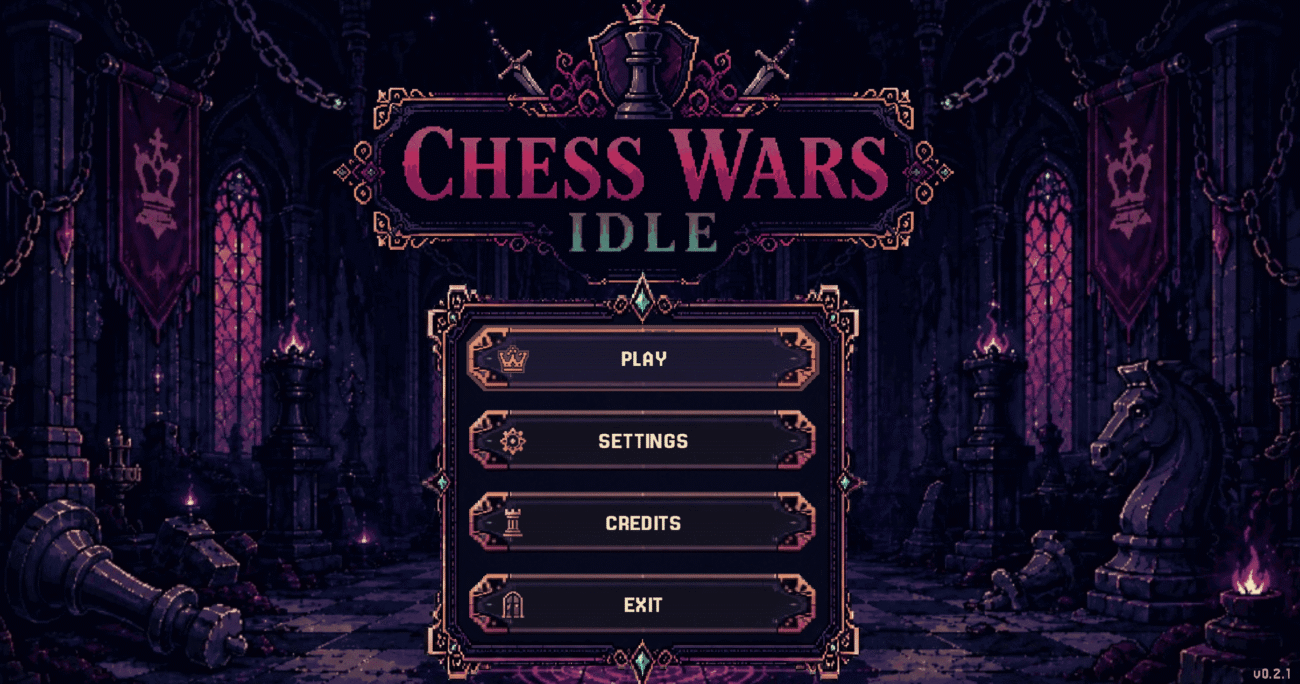
After finishing my first prototype, I spent the next month improving Chess Wars Idle. My small experiment was slowly becoming a real mobile game.
More Features, More Problems
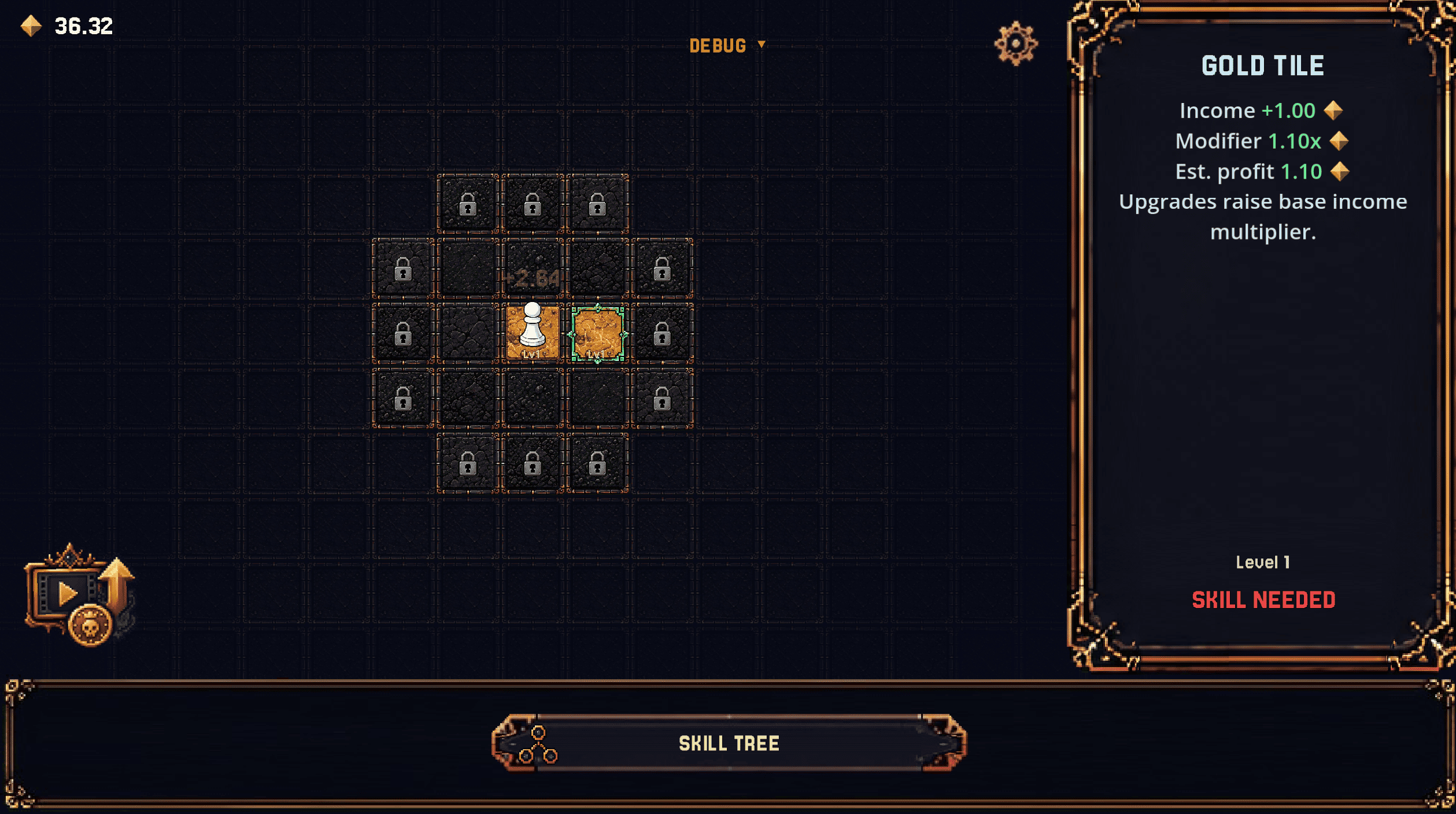
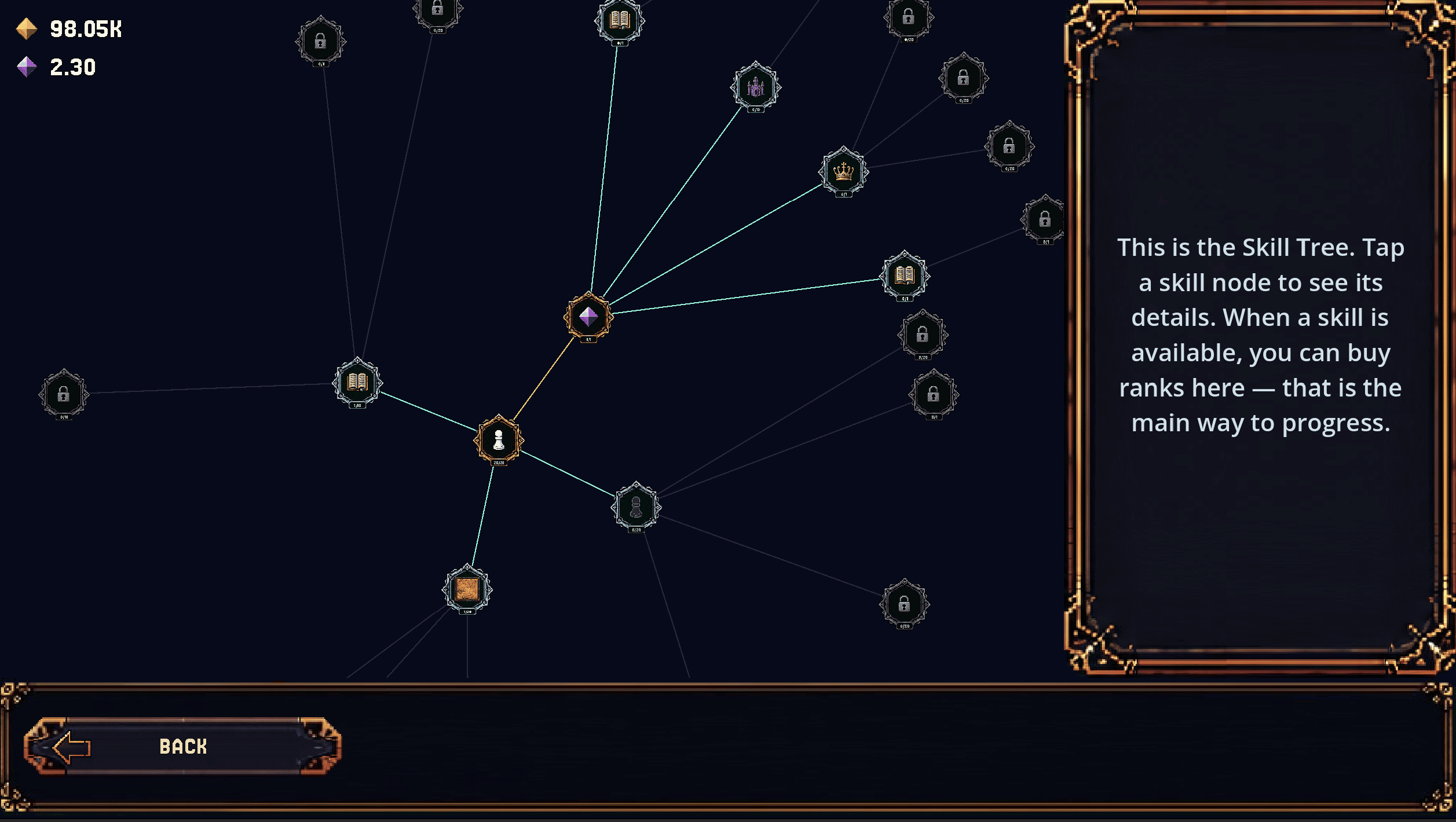
I added new chess pieces, special tiles, upgrades, a skill tree, an inventory, a shop, and more advanced prestige mechanics.
I also spent a lot of time balancing the economy. I wanted players to feel progress without making the game too fast or too slow.
At the same time, I created many new pixel-art assets. New buttons, icons, backgrounds, chess pieces, and interface panels made the game look much better.
Performance and Technical Challenges
Everything was developed in Godot using 2D graphics. As the project became bigger, I had to think more about performance and code structure.
An expanding board, automatic movement, game calculations, and many UI elements created new technical challenges.
I spent time improving the architecture, simplifying systems, and looking for ways to make the game run smoothly on mobile devices.
My First Big Milestone
In October 2026, Chess Wars Idle reached closed testing on Google Play.
It was an important moment for me. What started as a simple idea had become a working mobile application with many connected systems.
However, I also started thinking about the future. I wanted bigger worlds, better animations, and more interesting long-term goals.
And that led me to a big decision: maybe it was time to move from 2D to 3D.